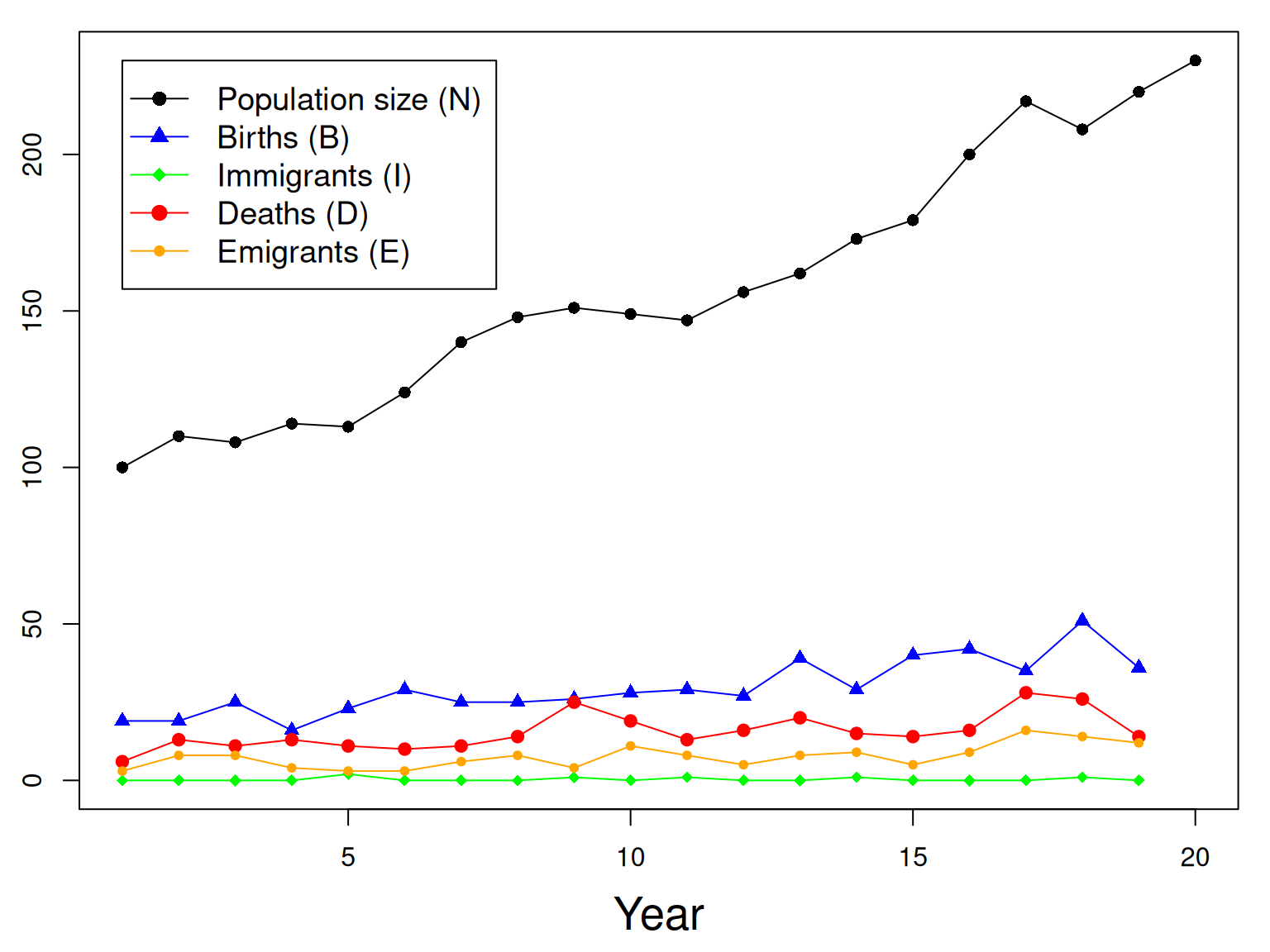
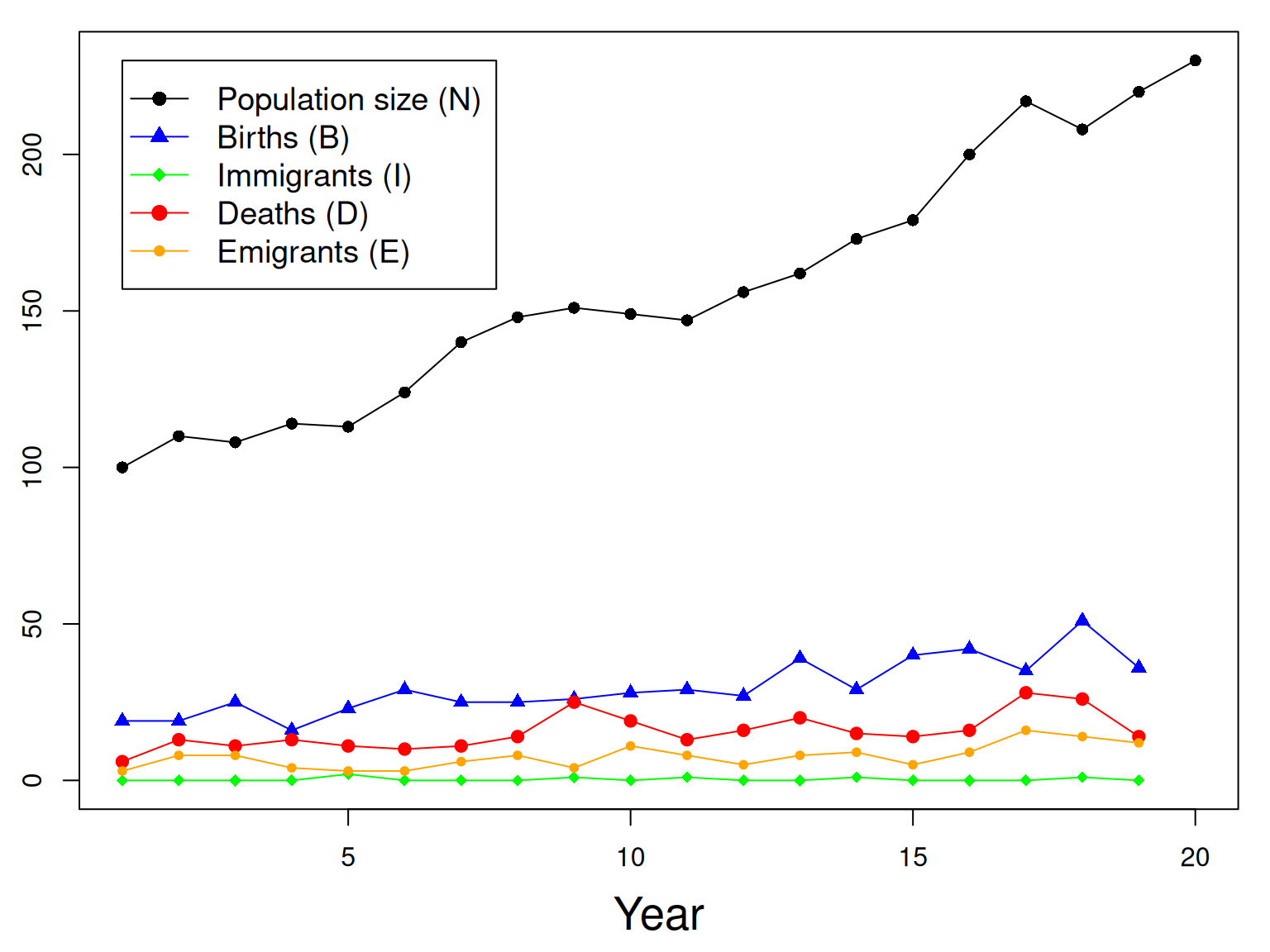
The BIDE Model
Applied Population Dynamics
WILD 5700/7700
Models and science
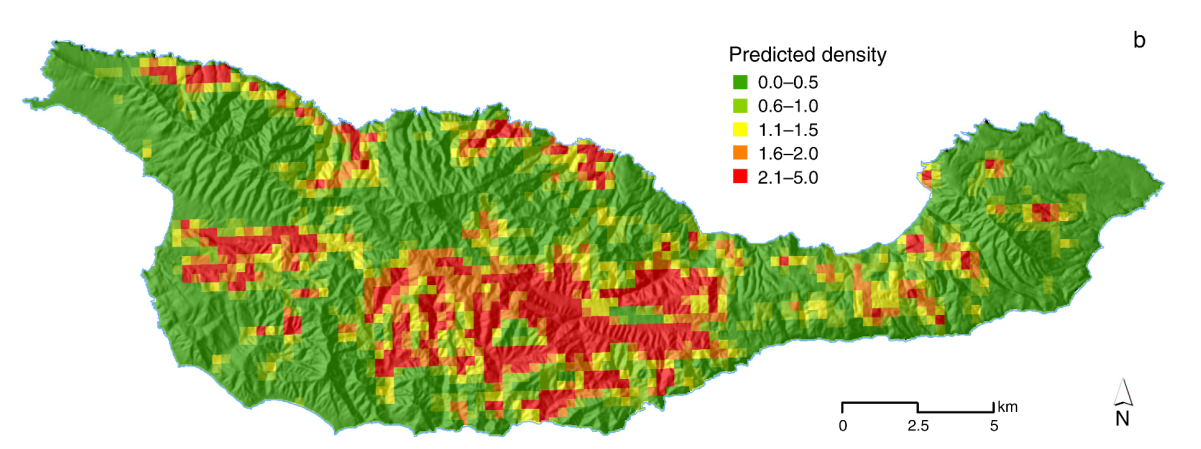
A model is an abstraction of reality that describes the relationship between two or more variables.
Models help us…
Describe complex natural systems in
a manageable wayFormalize and evaluate hypotheses
Predict future outcomes
…all while accounting for uncertainty
Models and science
But don’t models require assumptions?
Yes. We have to simplify, so we have to make assumptions. We do this all the time.
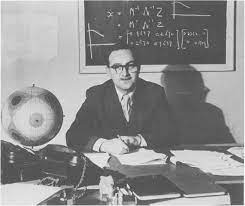 “All models are wrong, but some are useful.” G.E.P. Box (1987)
Model validation
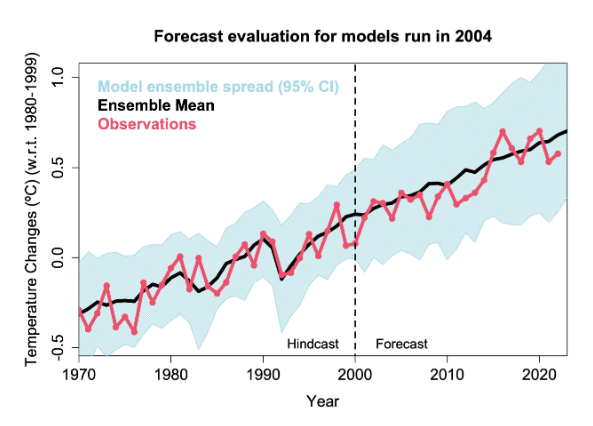
Putting the model to the test
How well does it predict?
Will your results hold up in court?
Can your results be replicated/reproduced?
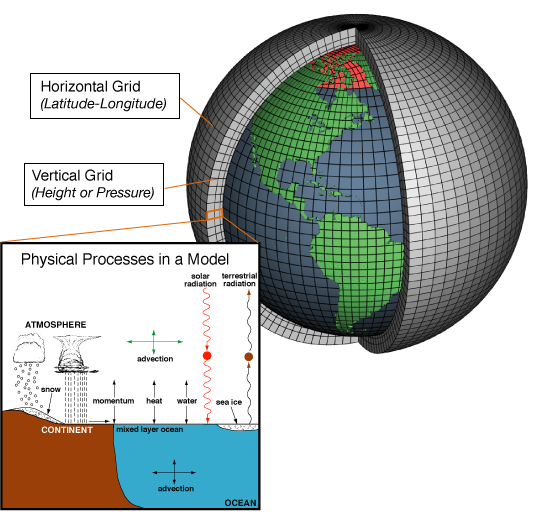
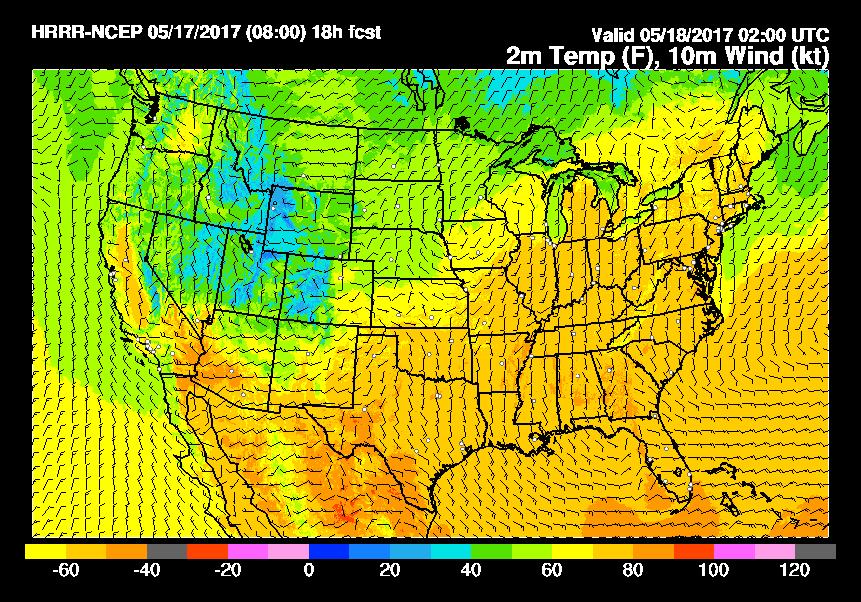
Types of models
- Conceptual
- Physical
- Graphical
- Mathematical
- Statistical
The BIDE model