Applied Population Dynamics

WILD 5700/7700

Richard Chandler
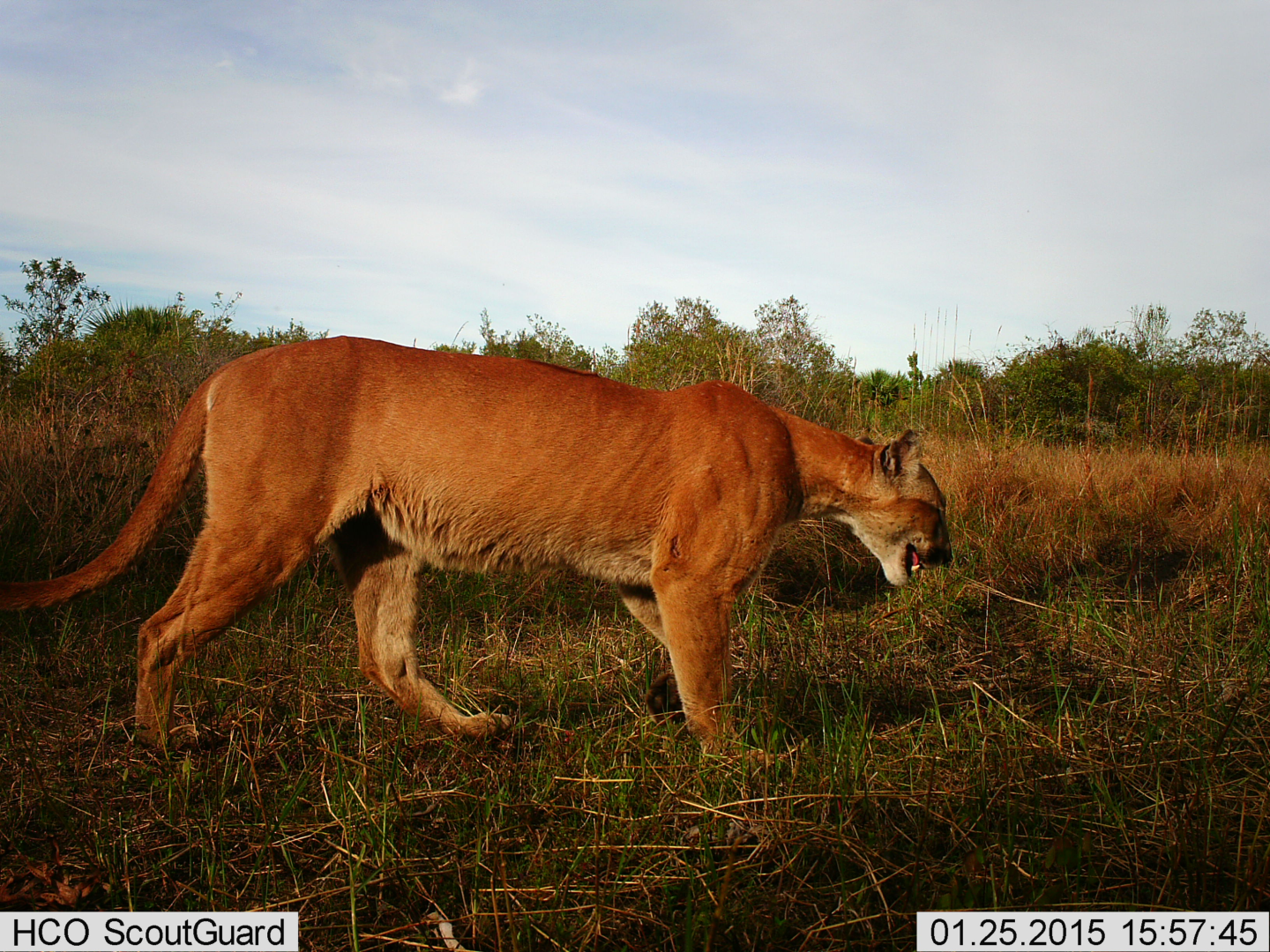

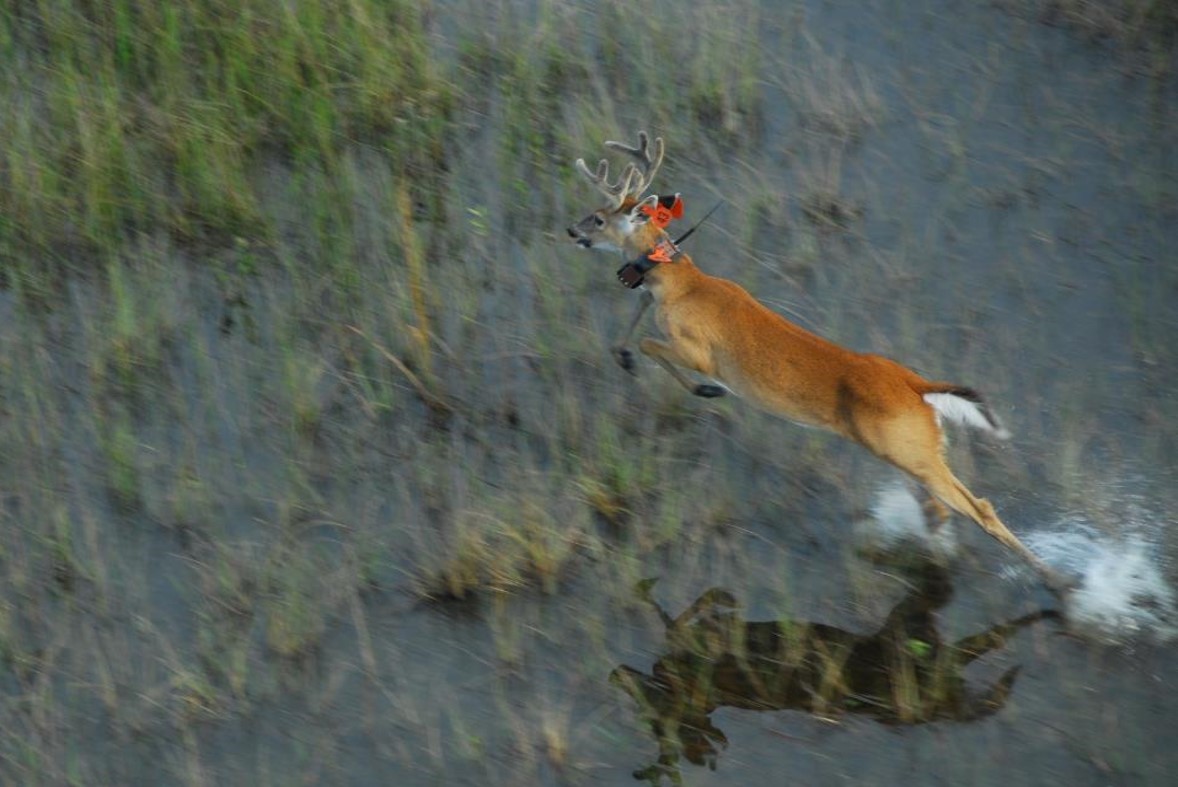
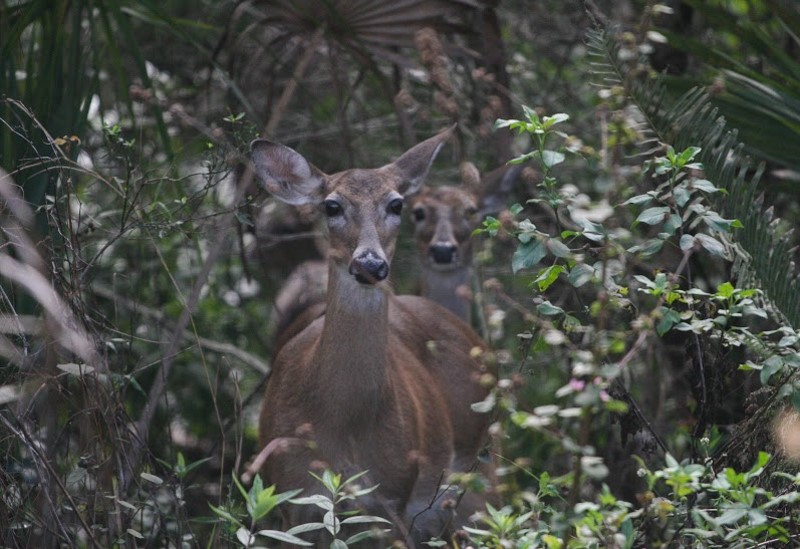
Florida panther White-tailed deer

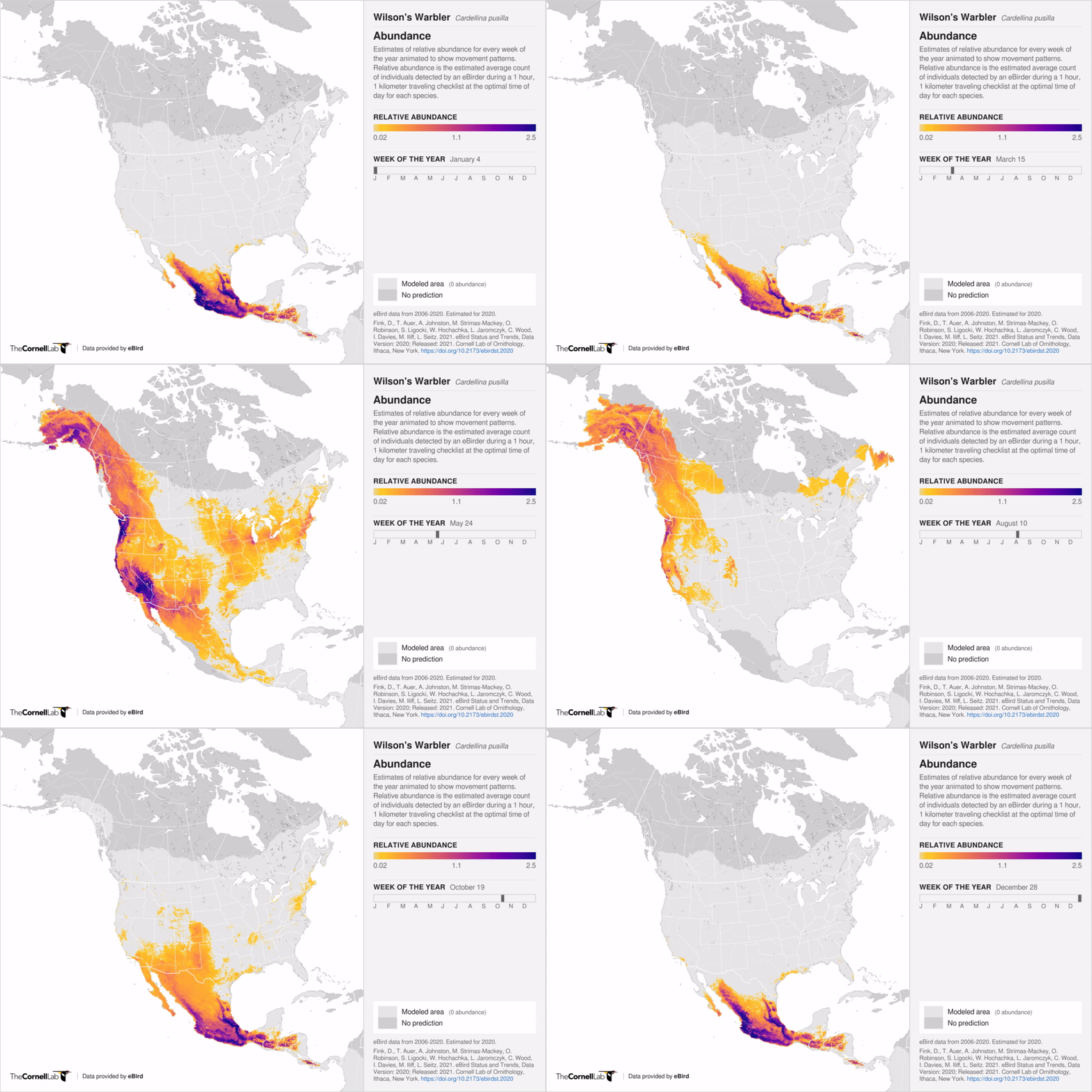
Dynamic populations

Wilson warbler migration dynamics

Central Questions

  1. What causes spatial and temporal variation in population size and structure?

  2. How do environmental change and human activities (including management actions) affect populations?

Learning objectives

By the end of the semester, you should be able to:

  1. Develop a population model that:

    • Describes variation in demographic parameters over time

    • Predicts how a population will respond to management and conservation actions.

  2. Design a study to collect the data necessary to estimate the demographic parameters of the model.

  3. Use R software to estimate parameters from field data.

Themes

Theory

  • Population models

Practice (Application)

  • Study design

  • Data collection

  • Parameter estimation

  • Population viability analysis

  • Harvest management

  • Small population management

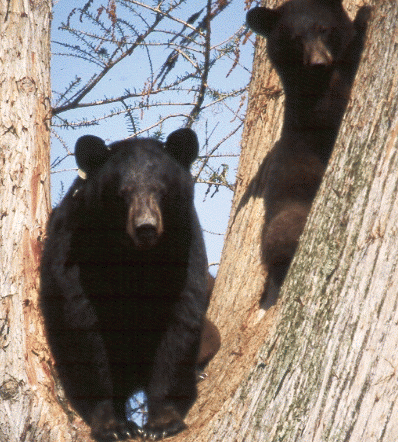
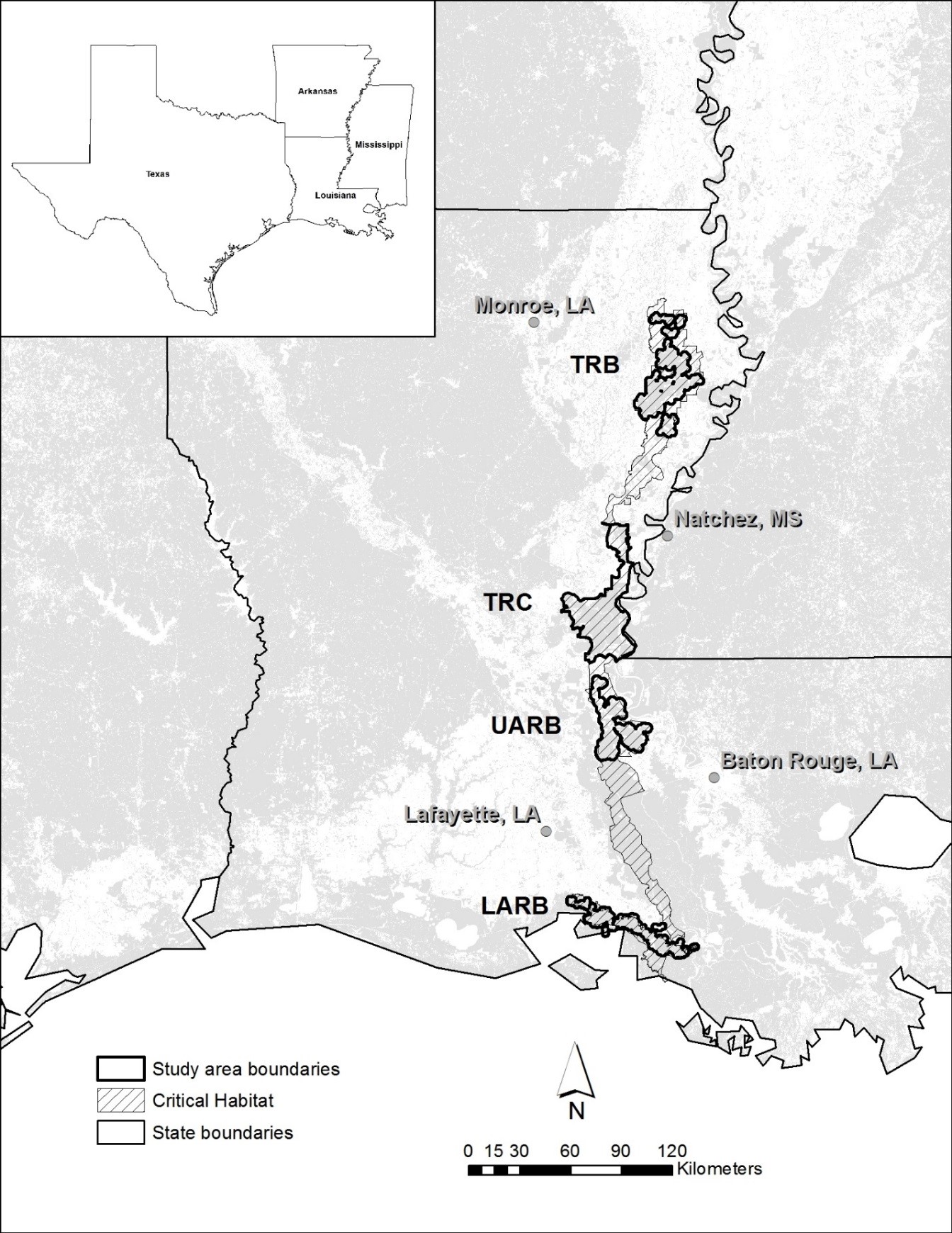
Example I – Louisiana black bear

LA bears

LA bear map

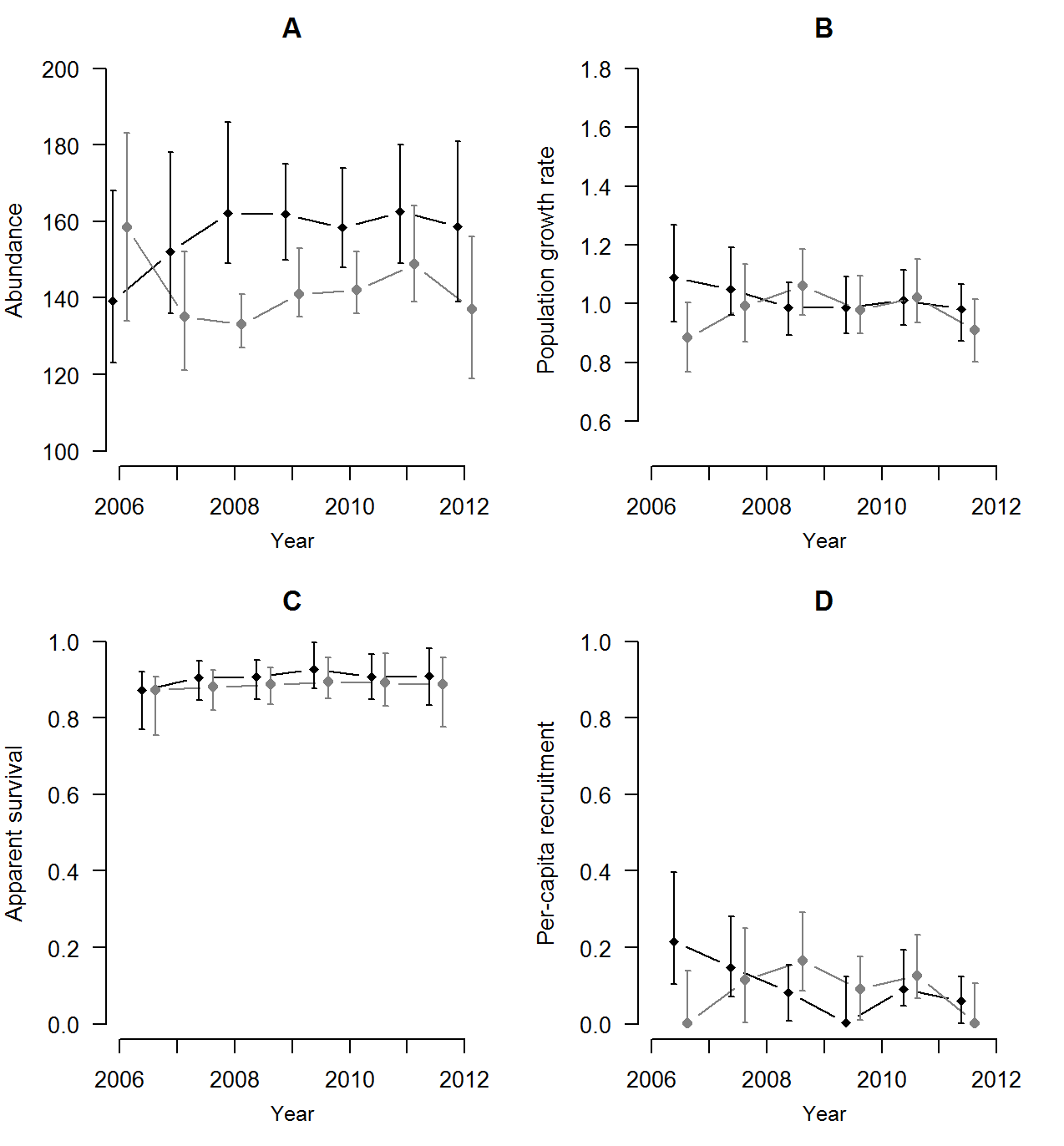
Estimated demographic parameters

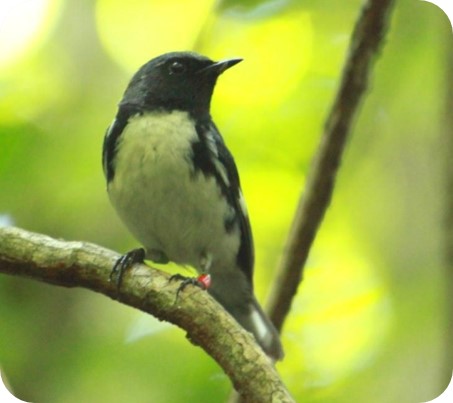
Example II – Black-throated blue warbler
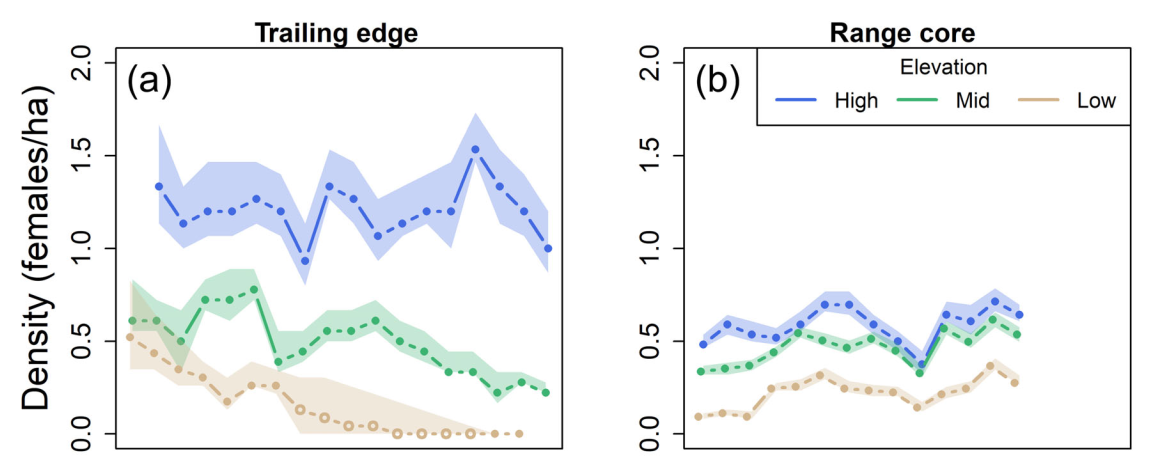
Why are dynamics so different in the southern part of the range?

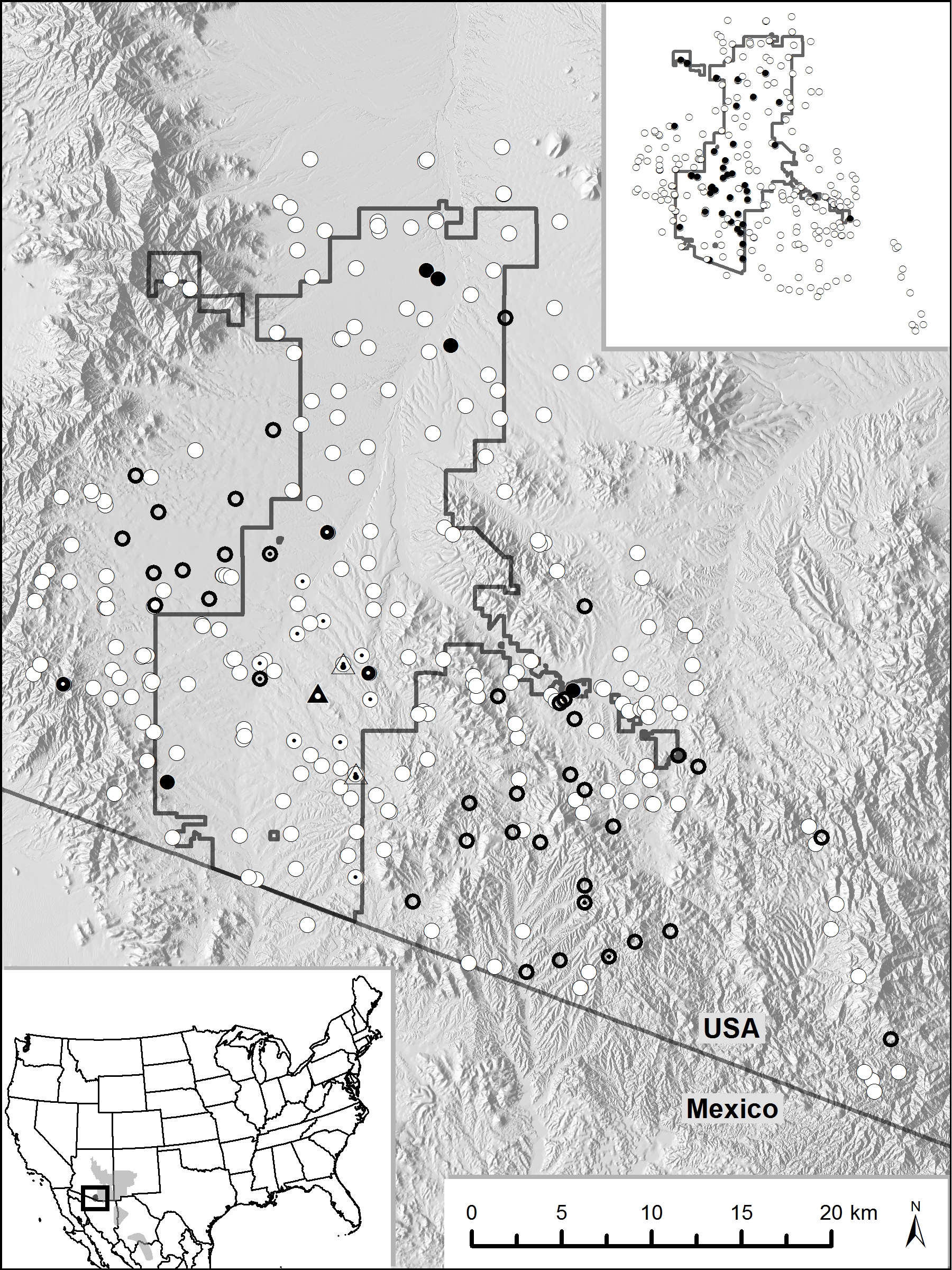
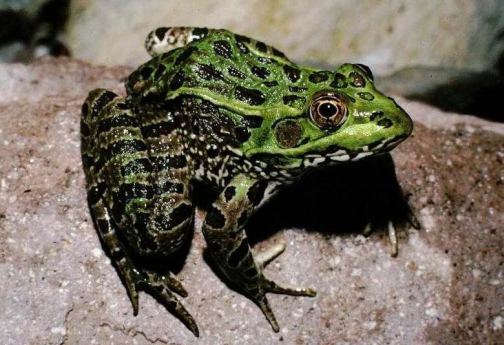
Example III – Chiricahua Leopard Frog
Recovery Plan
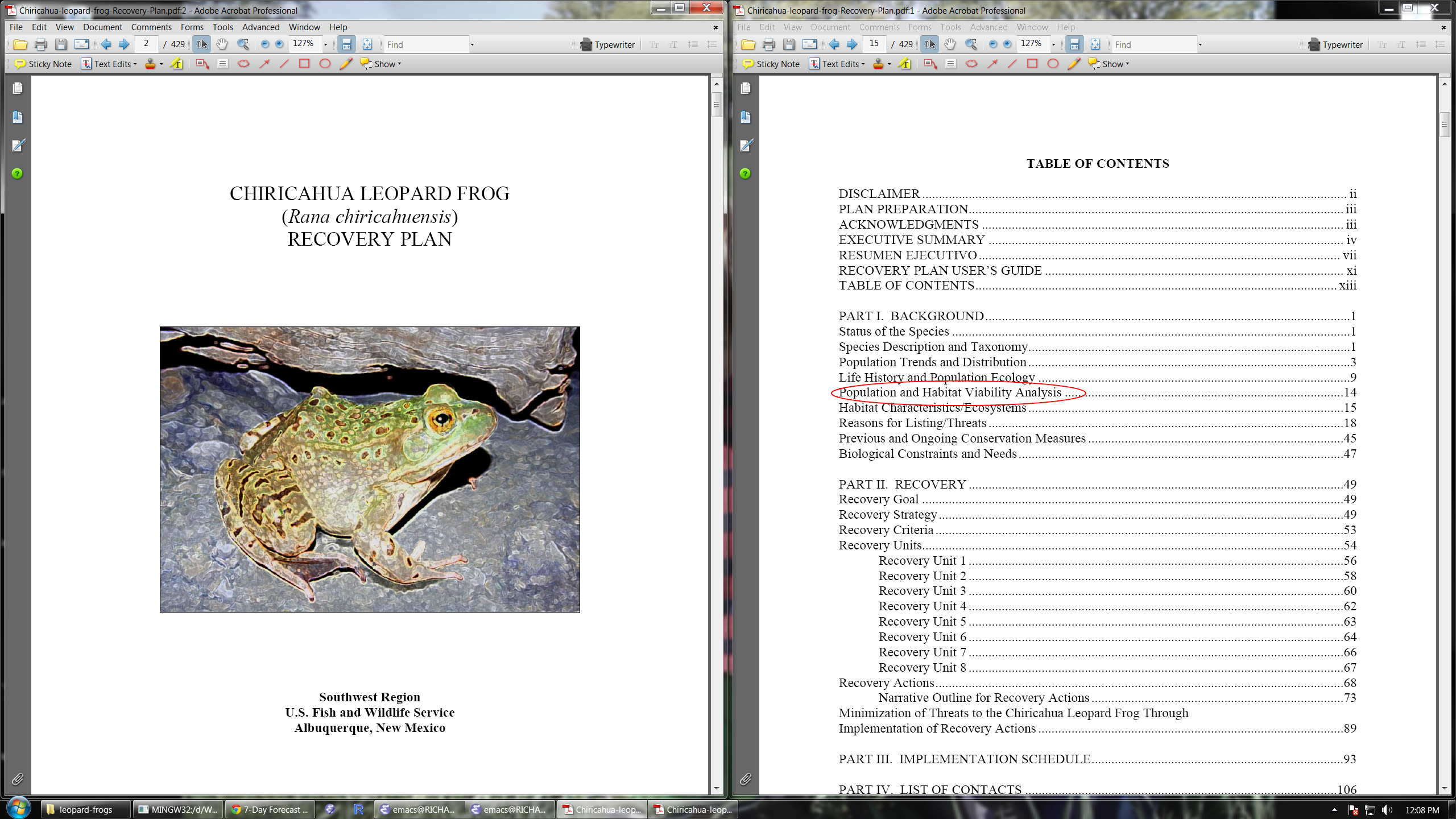
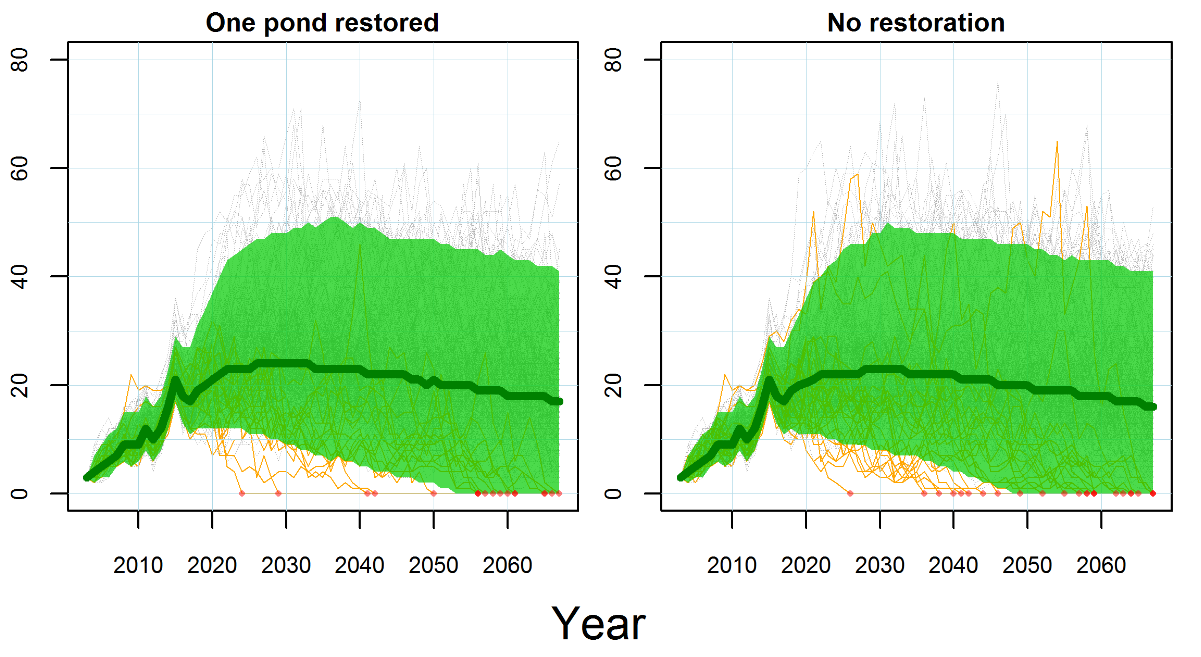
Avoiding extinction

Management options

  • Control predators

  • Increase hydroperiod in existing wetlands

  • Create new wetlands…

Restoring just 1 pond reduced extinction risk from 4% to 2.5% after 50 years.
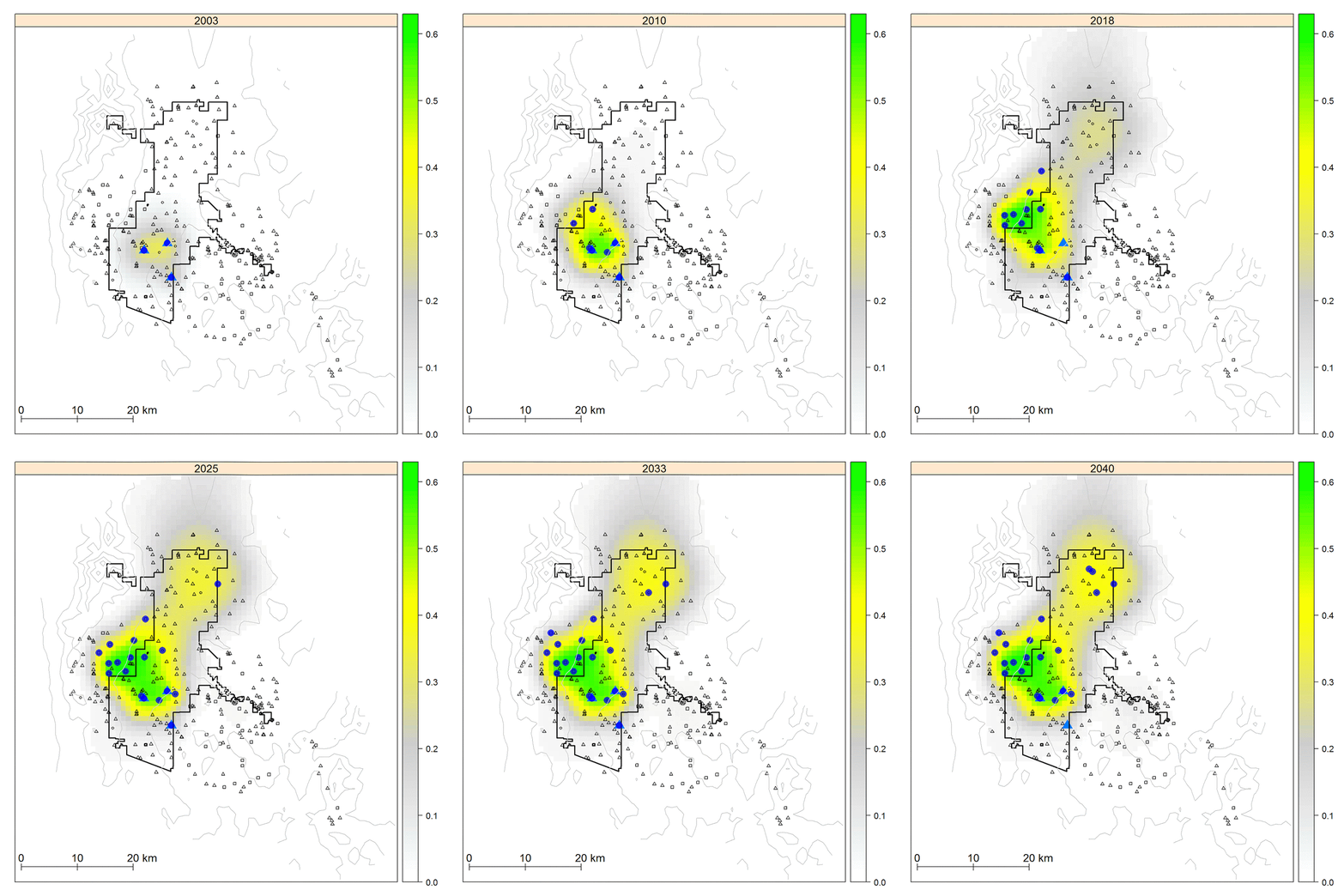
Colonization Probability Maps
Example IV – South Florida Deer Study

Objectives

  1. Understand effects of hydrology, hunting, and predation on deer population dynamics

  2. Develop a camera trapping study for large-scale monitoring of deer populations
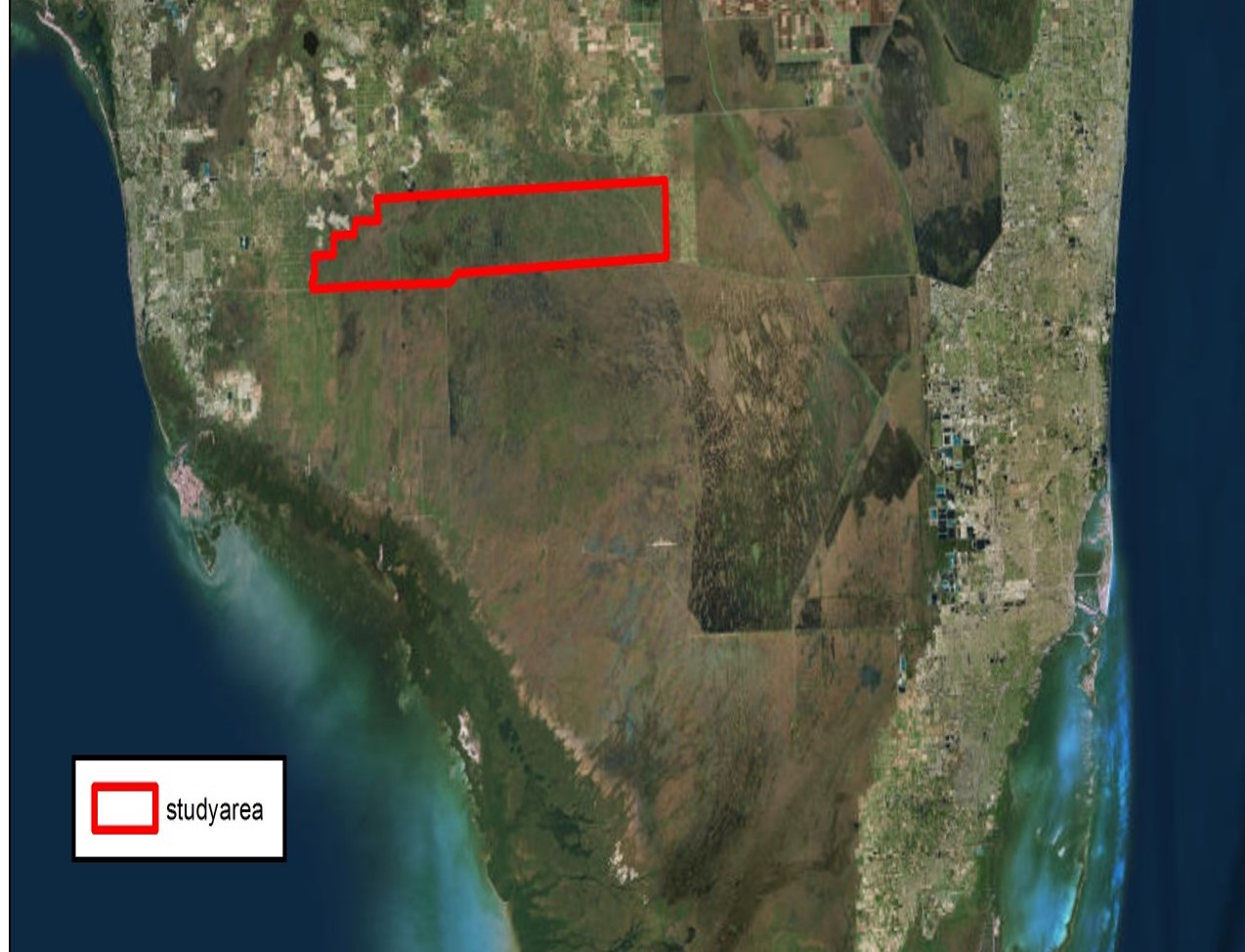
Camera study
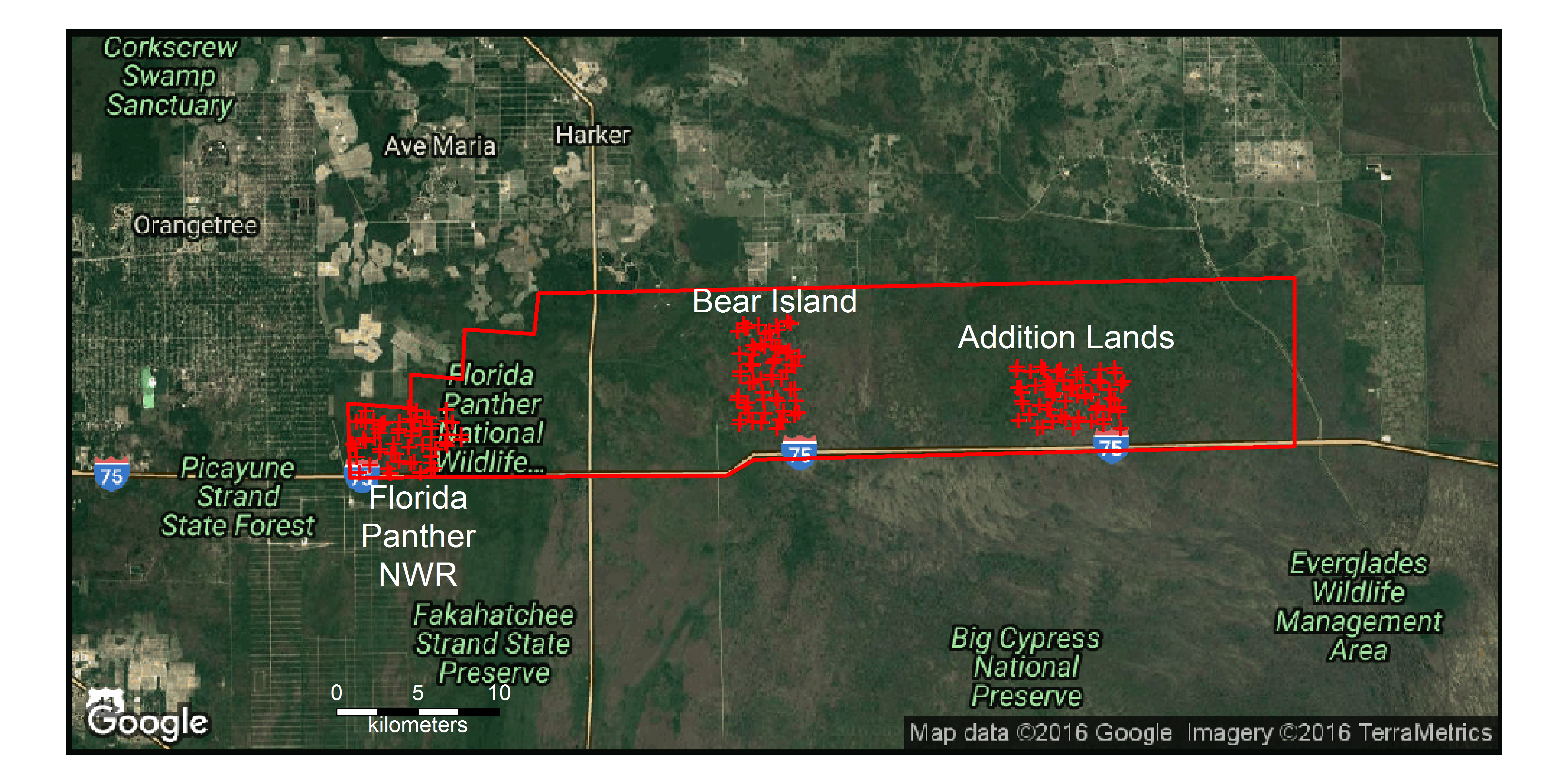
  • 180 cameras
  • Operated Jan 2015 – Jan 2018
  • Spanning hunting and hydrology gradients

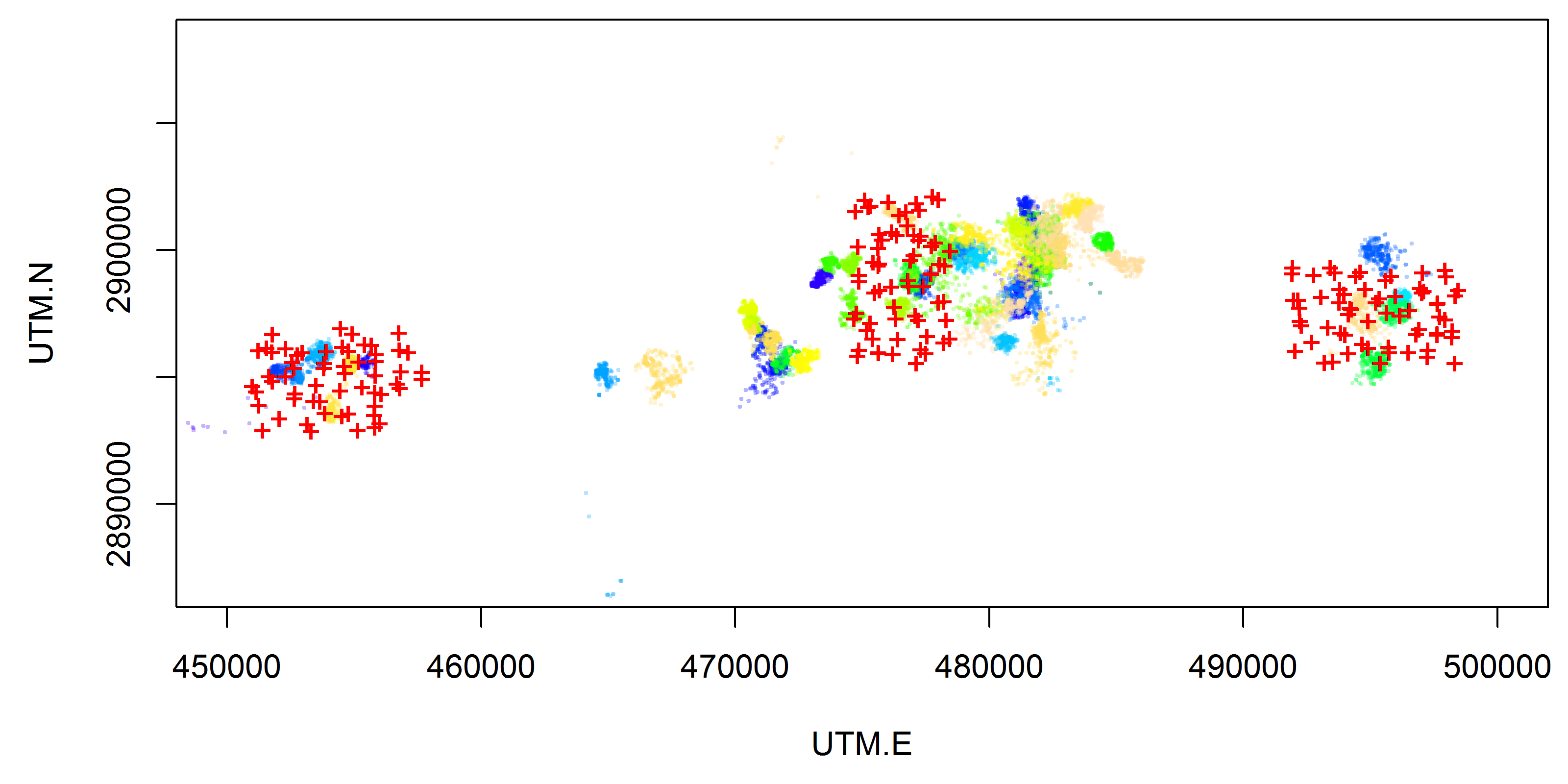
Telemetry data

250 deer collared 2015 – 2018
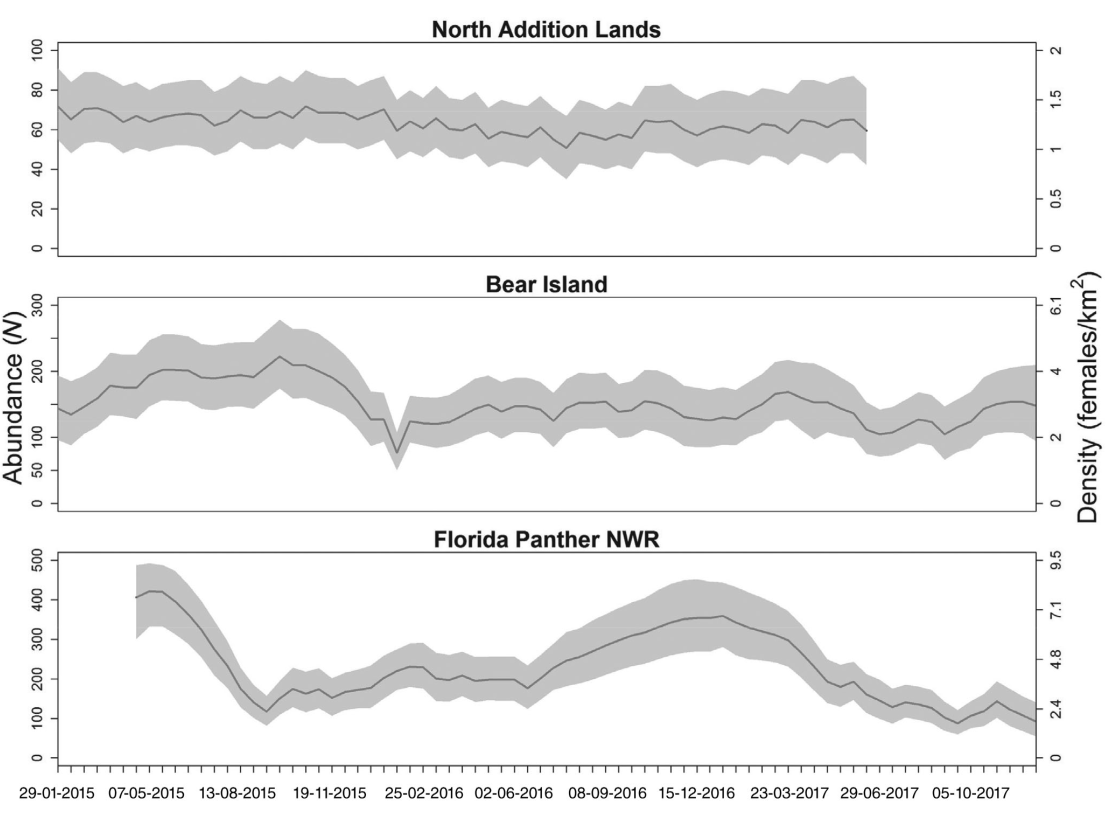
Abundance over time
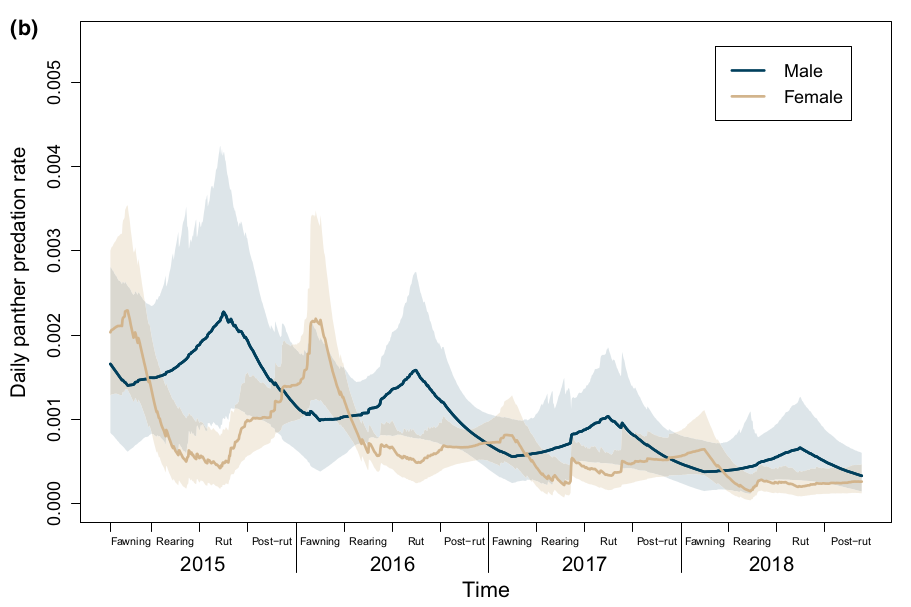
Survival and predation rate
Syllabus

Tips for success in this course

  • Take notes on printed handouts
  • Don’t bring laptops/tablets to lecture
  • Review notes before each lecture
  • Keep up with assigned readings
  • Finish lab assignments during lab
  • Ask questions during class
  • Start the final project early
  • Visit with me and the TAs during office hours

Assignment

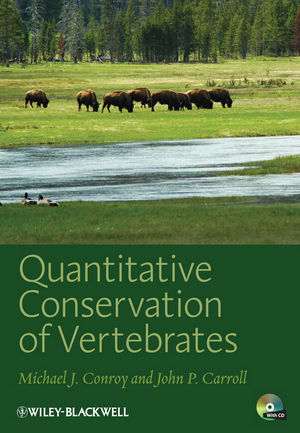
  1. Read Chapters 1 and 2 of Conroy and Carroll

  2. Complete the introductory survey “quiz” found here.