Sampling and Estimation
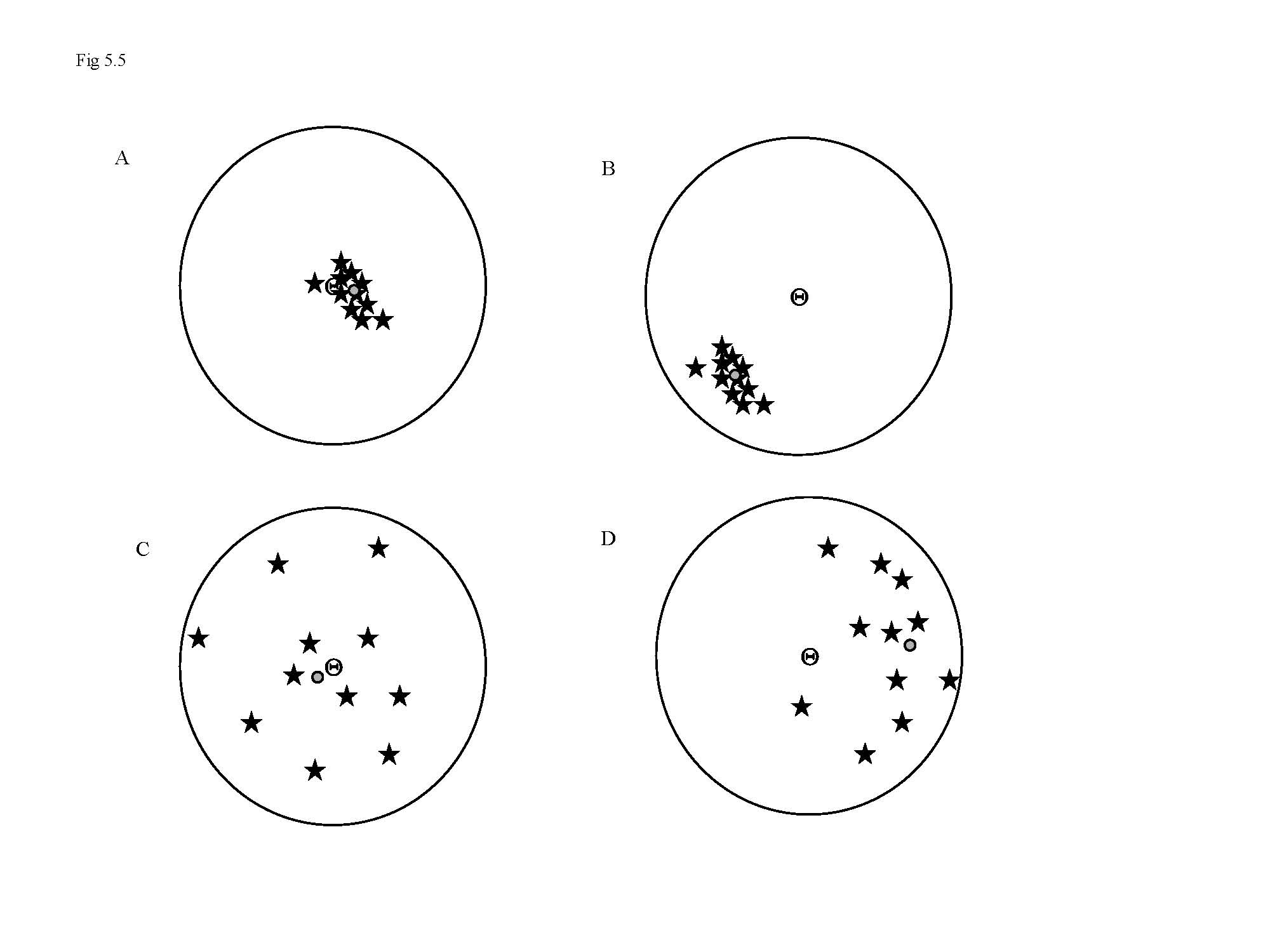
Accuracy has two components
- Bias: The difference between the average estimate and the true parameter.
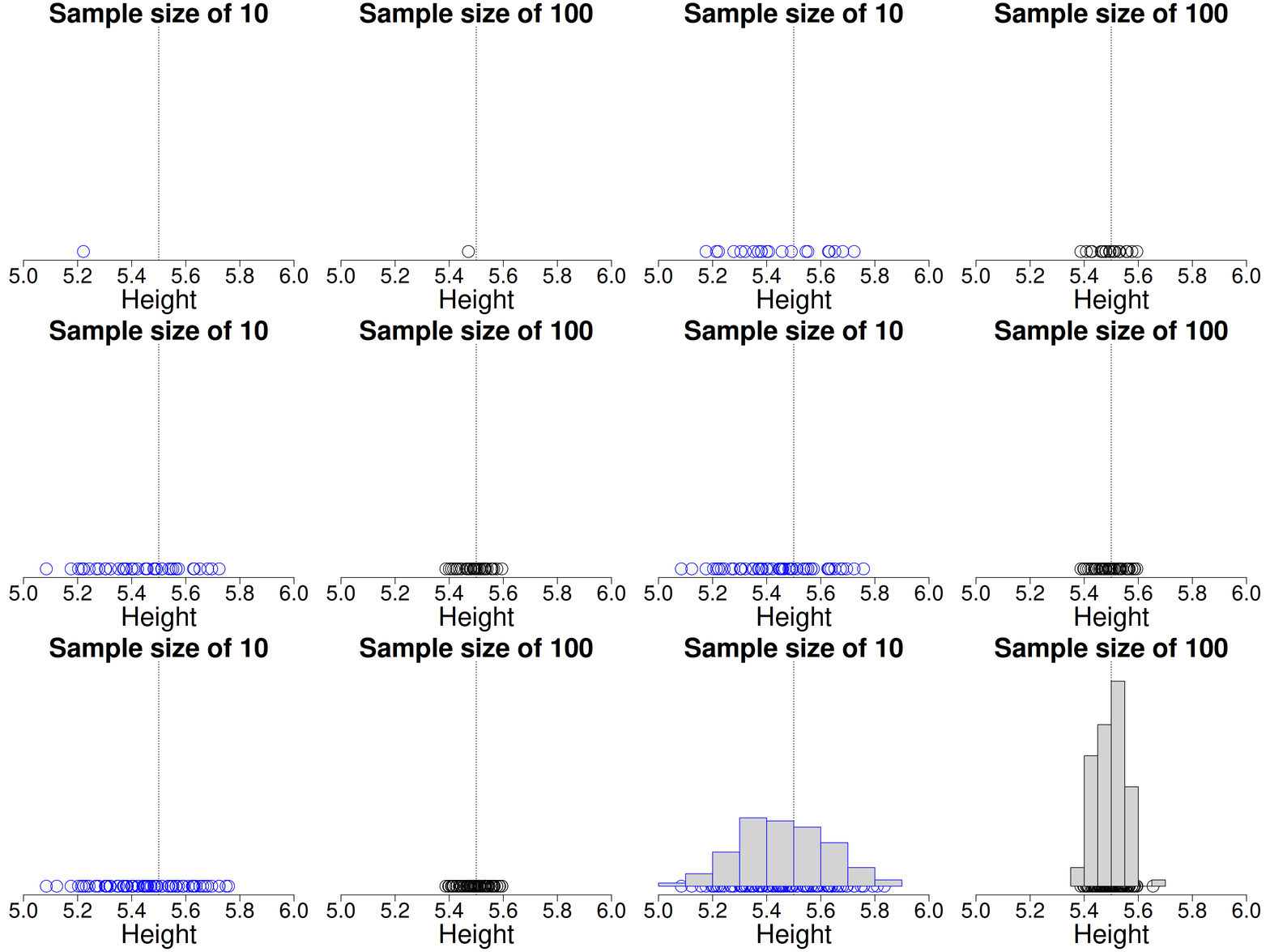
- Variance: The variability of the estimates.
Standard sampling designs
Simple random sampling
- All sample units have the same inclusion probability.
- Easiest and most reliable method.
- But not always cost effective.
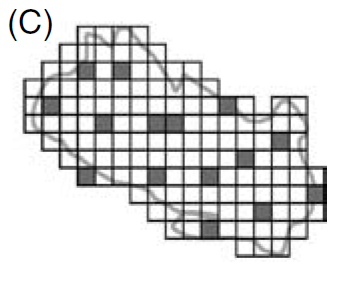
Standard sampling designs
Stratified random sampling
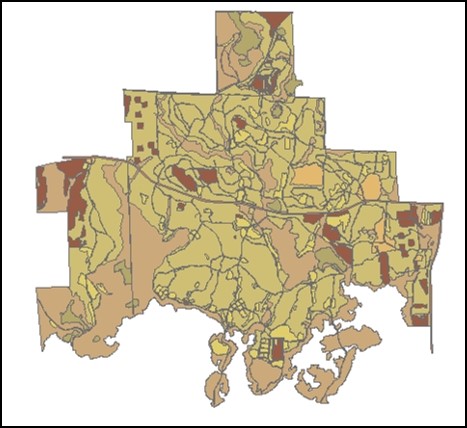
- Useful when study area is characterized by several homogeneous regions.
- Regions with higher variability should be sampled more intensively than regions with low variability.
- Often more cost effective than simple random sampling.
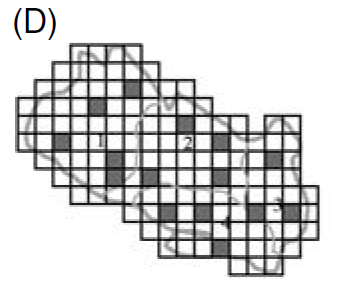
Standard sampling designs
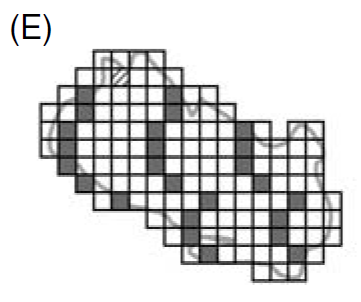
Systematic sampling
- Sample units are selected according to a regular, ordered scheme with the first unit being sampled randomly.
- Easy to implement in the field.
- Potentially dangerous because sample unit spacing could coincide with natural spacing of environmental features.